
How to run events: tips and tricks for rare disease patient groups
Planning and running an event can feel overwhelming, especially if you have limited resources or experience. But don’t worry—you’re not alone! This high-level overview is designed to be your personal toolkit, walking you through every step of organising successful events for rare disease patient groups. Whether you’re hosting a small coffee morning or a large conference, we’ll cover everything from planning and logistics to promotion and post-event follow-ups.
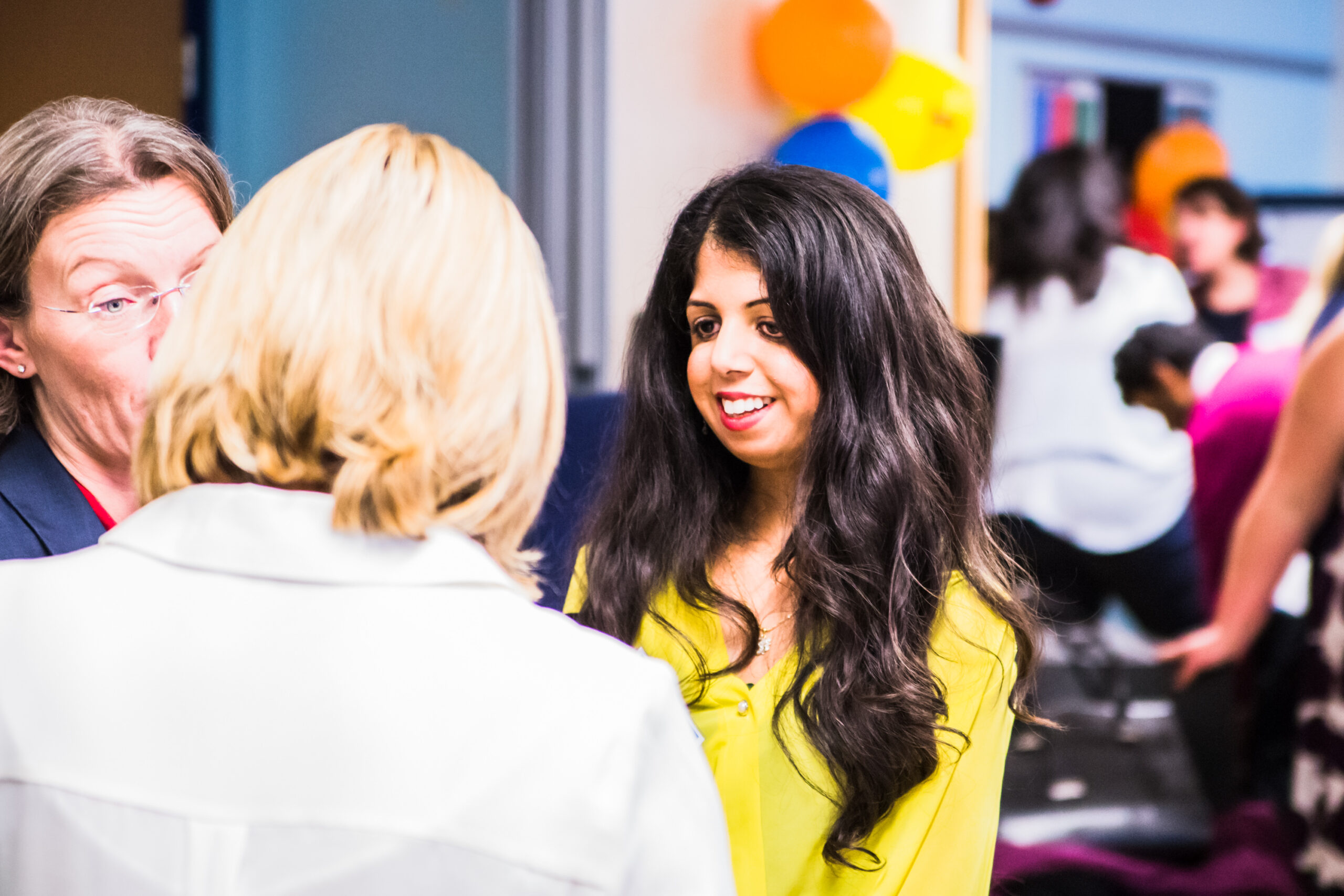
This high-level overview with general tips is divided into easy-to-follow sections, including:

Top tips
We’ll walk you through each part of event planning, from initial ideas to post-event follow-ups.

Checklists and templates
These will keep you organised and ensure nothing falls through the cracks.
Examples of patient group events
Learn from real-world examples to see what works best.

Links to additional resources
We’ll provide helpful tools and links to make your event planning easier.
With thanks to:
Juliette Rothera, Marketing Director at GIG Health and rare disease advocate, who volunteered to create this course for rare disease patient groups in the Summer of 2025.



Hi, I’m Juliette! I’m passionate about amplifying patient voices and ensuring they’re at the heart of healthcare decision-making. My career in events, communications, and marketing spans international roles, from supporting rare disease advocacy initiatives at EURORDIS-Rare Diseases Europe and the Alpha-1 Europe Alliance, to volunteering at Great Ormond Street Hospital, and leading marketing and communications at the New York–based patient advocacy consulting firm VOZ Advisors.
View full bio
In my current role at GIG Health, I oversee all marketing activities and contribute to business development, helping shape impactful patient education and awareness initiatives. I’ve intentionally built my career around the principle that no medicine should be developed without the voice of the patient. Outside of work, you’ll often find me hiking and recharging in nature.

With thanks to the Funders of The Empowerment Programme 2025
Resource type
Course
Skill level
Beginner
Duration
Est. 90 minutes
Last updated
August 2025
Resource type
Course
Skill level
Beginner
Duration
Est. 90 minutes
Last updated
August 2025
What will you learn in this course?
- Outline what to consider when organising different types of events commonly hosted by patient groups
- Ensure patient groups can maximise their impact while managing time and resources efficiently
- Break down each step of the event planning process—before, during, and after
- Provide practical tools, templates, and real-life examples
- Highlight different types of events that patient groups can run
Who is this course for?
This toolkit is perfect for:

Rare disease patient groups, caregivers and volunteers
If you’re leading a rare disease patient group and want to:
- Engage and support your community more effectively
- Raise awareness or influence policymakers
- Organise supportive and educational gatherings
Well-planned events can be game-changers and this toolkit is for you!

Medical professionals working with patient groups
If you work in healthcare and want to engage with patient communities, this overview with general tips will help you understand their needs and how to create impactful events.
You may also be interested in…
Resource Content
Background to toolkit
Background to toolkit
You don't currently have access to this content
Overview of event planning
Overview of event planning
You don't currently have access to this content
Types of events and considerations
Types of events and considerations
You don't currently have access to this content
Coffee mornings & meetups
You don't currently have access to this content
Awareness campaigns
You don't currently have access to this content
Workshops & seminars
You don't currently have access to this content
Webinars
You don't currently have access to this content
Family retreats
You don't currently have access to this content
Conferences
You don't currently have access to this content
FAQs
FAQs about running events
You don't currently have access to this content
Logistics
How do I manage registration?
You don't currently have access to this content
How do I find venues?
You don't currently have access to this content
How do I find a photographer for my event?
You don't currently have access to this content
Which platforms can I use for virtual events?
You don't currently have access to this content
Which platforms/software can I use for event planning?
You don't currently have access to this content
Graphics
What types of graphics do we need?
You don't currently have access to this content
Events
What tools can we use to create event graphics?
You don't currently have access to this content
What information should event graphics include?
You don't currently have access to this content
Event programmes
What information should an event programme include?
You don't currently have access to this content
How do groups choose a reliable printing service?
You don't currently have access to this content